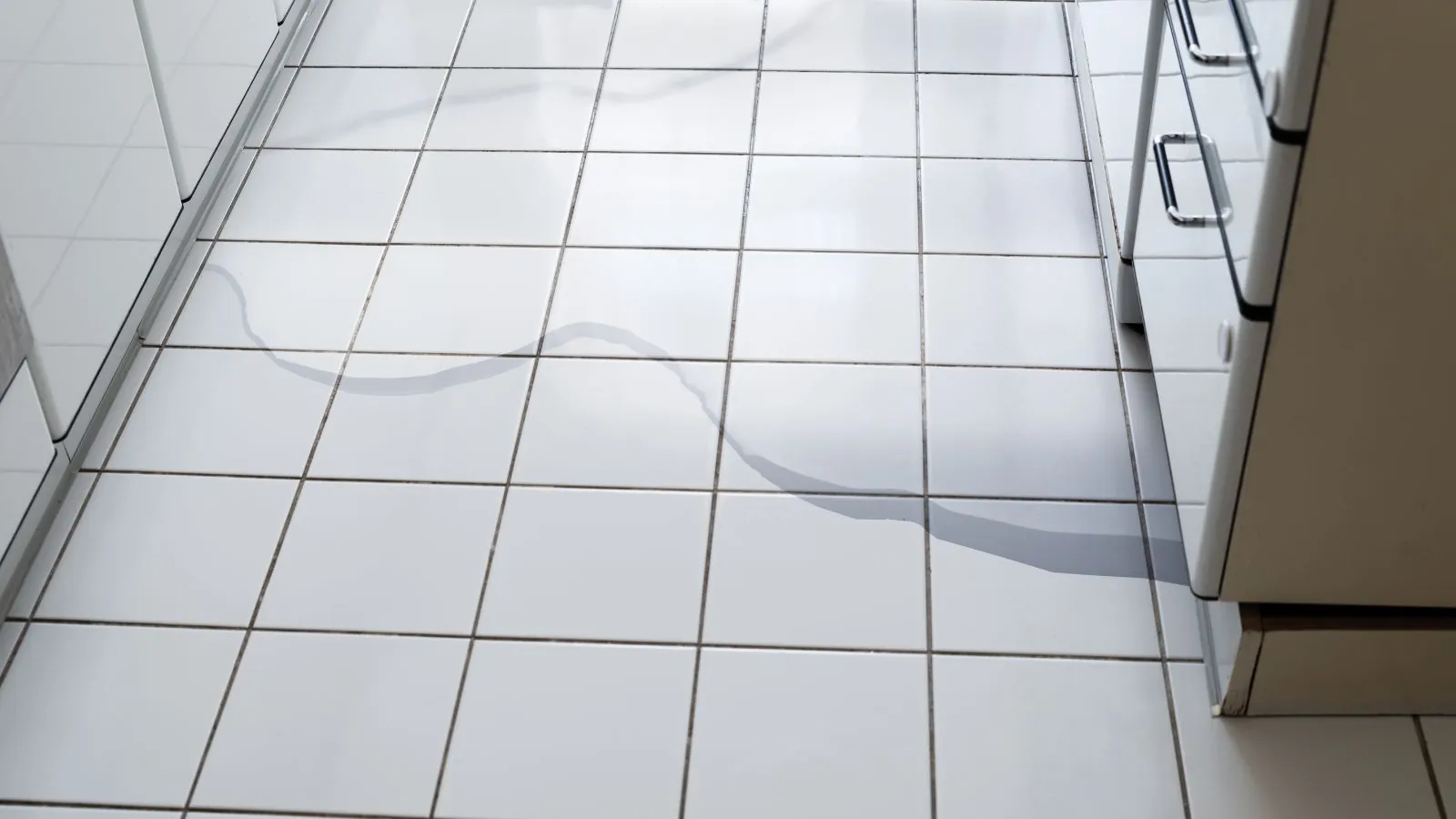
First steps for a tenant
- Stop the water if you can safely, then tell the landlord or property manager right away, in writing as well as by phone.
- Take photos and video of the damage and the source.
- Move belongings out of the wet area, and photograph them first.
- Call emergency services if there is electrical danger or sewage.
- Keep receipts for emergency costs, and ask the landlord in writing whether they will reimburse.
- Contact your renters insurer to report the loss.
Renters near campus can also read our guide for the area around Southern Utah University.
First steps for a landlord
A landlord is usually responsible for the structure and the building systems, and must keep the unit fit to live in. When notified of a leak, act quickly: shut off water, arrange a plumber and call a mitigation company. Delay can turn a small repair into a large claim.
Notify your property insurer and keep records of every communication. If a tenant has to move out, discuss temporary housing or rent adjustments in writing.
| Item | Often the responsibility of | Notes |
|---|---|---|
| Building structure and systems | Landlord | Pipes, roof, water heater. |
| Tenant's belongings | Tenant (renters insurance) | Landlord insurance rarely covers. |
| Damage caused by tenant negligence | Tenant, sometimes | Depends on lease and facts. |
| Temporary housing | Varies | Lease, law and insurance. |
Need documentation for both sides?
Call and ask for photos, readings and a written scope.
Who pays for what
In general, the landlord's property policy covers the building, and the tenant's renters policy covers the tenant's belongings and may include additional living expense. Which policy responds depends on the cause. A failed supply line in the wall is typically the landlord's issue. A tenant who left a tub running may be responsible for resulting damage.
Utah has landlord and tenant statutes that address habitability and repairs. The details change, so check the current rules or consult a legal aid office, an attorney or the state's consumer resources if you disagree about responsibility.
What good documentation looks like
- Dated photos of the source, the damage and affected belongings.
- A timeline of when the leak was noticed and reported.
- Copies of texts, emails and letters between tenant and landlord.
- The mitigation company's scope, moisture readings and invoice.
- Plumber or appliance technician reports.
- Receipts for hotel or emergency purchases.
Communication that protects both sides
Put everything in writing. A phone call is fine for urgent action, but follow it with a text or email that states the date, the problem and what you asked for. Landlords should respond in writing with the date a plumber or restoration crew will arrive.
Tenants should keep copies of the lease, the move-in condition report, photos of the unit before the loss and any renters insurance policy. Landlords should keep maintenance records and past inspection notes, since they show whether a leak was sudden or ongoing.
If the relationship becomes tense, stay factual. Avoid threats, and use dates, photos and receipts instead of accusations. Many disputes settle when both sides can see the same documents.
Moving out, deposits and repairs
If a unit is unlivable during repairs, the tenant and landlord should agree in writing on rent, storage of belongings and a return date. If the tenant leaves for good, keep a record of the unit condition. Deductions from a deposit should be tied to damage beyond normal wear, and a documented sudden leak is usually not the tenant's fault.
Landlords should also think about the next tenant. A unit that was dried but not rebuilt, or rebuilt over a damp subfloor, can create a second claim. Keep the drying logs on file and share them if a new tenant asks.
Ask your property insurer about loss of rent coverage, which some landlord policies include when a unit is uninhabitable after a covered loss.
Renters insurance: what it usually does and does not do
Renters insurance typically covers your belongings, additional living expenses if the unit is unfit to live in and personal liability. It generally does not cover the building structure. If a leak ruins your furniture and clothes, your policy, not the landlord's, usually responds, unless the landlord was negligent.
Check for limits on electronics and jewelry, and ask whether the policy covers water backup. If you do not have renters insurance, the cost is modest compared with the loss of a full apartment of belongings. Many Cedar City leasing offices recommend it, and some require it.
Where a restoration company fits
A mitigation company serves the building and, when asked, documents the tenant's contents. We can produce one record that both the landlord's insurer and the tenant's insurer can use, including photos, readings and a list of materials removed.
The landlord usually authorizes mitigation, because it is the building. Tenants should not sign work authorizations for repairs to the structure unless the landlord agrees. See can you stay in your home during water damage restoration for habitability questions.
A local note for Cedar City renters and owners
Southern Utah University brings student renters to Cedar City, and some rentals are apartment buildings where several units share walls, ceilings and plumbing. In shared buildings, water from one unit can reach the ceiling of another.
Practical takeaway: if you rent in a multi-unit building, tell neighbors below you quickly. A leak in one apartment can be a ceiling problem for another, and speed protects everyone.
What to do and what not to do while you decide
What to do: document the damage, protect valuables and write down dates and times. What not to do: do not touch wet electrical equipment, and do not assume a dry surface means a dry structure. The ANSI/IICRC S500 standard for water damage restoration is the industry reference for water categories and drying goals. This article is general information and does not replace advice from your insurer, a licensed plumber or an electrician.
Questions Cedar City homeowners ask
Usually the landlord's insurance covers the building, and the tenant's renters policy covers belongings. The facts and the lease matter.
Usually the landlord arranges building mitigation. Tenants should report in writing and protect belongings.
Rules are specific and risky. Check Utah law or get legal advice before doing so.
It depends on the lease, the law and the circumstances. Discuss it in writing.
Report to your landlord, document the damage and contact your renters insurer.