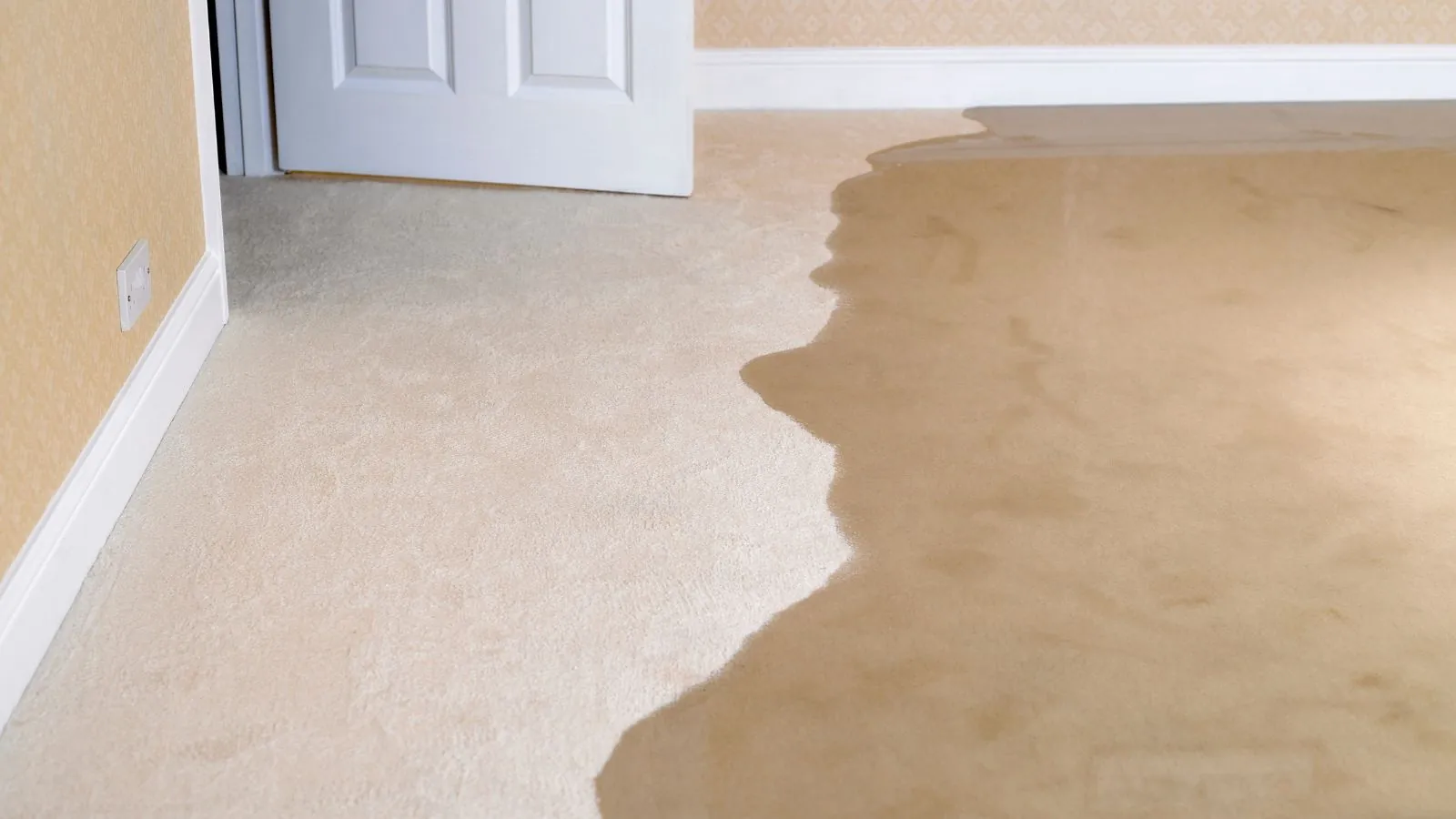
Can wet carpet be saved?
It depends on the water category, how long it was wet and the carpet type. Clean water from a supply line, dried within 24 to 48 hours, gives a good chance. Contaminated water from a flood or sewage means the carpet is usually removed.
Synthetic carpet fibers do not absorb water, but the backing and pad do. The pad is a foam or fiber layer that stays wet and breeds odors, so it is commonly replaced even when the carpet is saved.
| Situation | Typical result | Reason |
|---|---|---|
| Clean water, caught within a day | Carpet dried, pad often replaced | Fibers recover, pad holds water. |
| Clean water, several days | Carpet and pad often replaced | Mold and odor risk. |
| Flood or storm water | Removed | Contaminated. |
| Sewage | Removed | Health hazard. |
How carpet gets dried
We start with weighted extraction, which pulls water from the carpet and pad. Next, the carpet is lifted and the pad checked. If the pad is saved, it is dried in place with air flow under the carpet using specialized floating techniques. If not, it is removed.
Subfloor drying follows, using air movers and dehumidifiers. The carpet is re-stretched and reinstalled once everything is dry. A carpet installer can handle stretching, which is a skilled task.
Speed matters more here than almost anywhere else in the house. Carpet that sits wet for more than two days develops odor that is hard to remove, and the backing can separate from the fibers. If you cannot reach us quickly, lift the corner of the carpet where it meets the wall, prop it up and let air under it.
While you wait
- Lift furniture legs off wet carpet with foil or plastic blocks.
- Do not use a household vacuum on wet carpet.
- Remove rugs and small items, and open windows for airflow if weather allows.
Carpet still squishy?
Call for extraction and a moisture check.
Odor, mold and the basement carpet problem
Carpet in basements is common, and basements have the highest risk of water and humidity problems. A musty smell often means the pad or subfloor is damp. See basement water damage cleanup for the broader job.
If you have a persistent smell after drying, read musty smell after water damage. Do not cover the smell with deodorizers before the moisture is gone.
Cleaning, sanitizing and what to expect afterward
When carpet is saved, it is cleaned after drying. Hot water extraction and an antimicrobial treatment reduce odor and bacteria, and the carpet is groomed so the nap lies evenly. You may see a slight wave or ripple where the carpet was lifted, which a re-stretch corrects.
Ask about the pad type. A thin, low-density pad dries easily but is cheap to replace. A thick rebond pad holds more water and is often discarded. Whatever the choice, the subfloor is checked with a moisture meter before a new pad goes in.
Keep a small piece of the original carpet if you can. Matching is a real problem for older rooms, and a leftover remnant lets an installer patch a damaged section invisibly.
What to do in the first hour
- Stop the water source and take photos.
- Pull furniture off the wet carpet and place blocks under the legs.
- Remove small rugs and wet items, and hang them to dry.
- Open windows or run the house fan if the air is dry, but do not run electrical items on wet floors.
- Call us before pulling up carpet yourself, since lifting it wrong can tear the backing.
What carpet water damage restoration depends on
Carpet costs are driven by area, water type and how much pad is replaced.
Area
Larger areas require more extraction and equipment.
Water category
Clean water allows drying, others lead to removal.
Pad
Often replaced even if carpet is saved.
Time wet
The longer it sits, the less likely it can be saved.
Reinstallation
Stretching and installation are separate.
How insurance usually enters the picture
Coverage for sudden water events is common, while long-term seepage often is not. Photograph the carpet and keep any removed pieces if your insurer requests them.
To scope yours, call (844) 950-6900
Safety steps and the standard behind the work
What to do first: stop the source if it is safe to reach, keep people and pets out of wet rooms, and photograph the damage before anything moves. What not to do: do not touch wet outlets, do not walk through standing water near panels, and do not run a household vacuum on water. Professional drying practice is described in the ANSI/IICRC S500 standard for water damage restoration, which sets out water categories and drying goals. This page is general guidance, and a site visit is what confirms the actual scope.
Questions Cedar City homeowners ask
Often, if the water was clean and drying began quickly.
The pad absorbs water and stays wet, which risks odor and mold.
Typically a few days with equipment, based on readings.
Avoid it if outlets or cords are nearby, and to keep from pushing water into the pad.
A carpet installer handles stretching and reinstallation.