Flood water is a different job from a pipe leak
Water from outside carries soil, fertilizer, motor oil, animal waste and sometimes sewage from overwhelmed drains. Restoration standards place this in the most contaminated water category, and the work follows from that: porous materials that touched it usually come out instead of being dried in place.
That is the main reason a flood quote differs from a supply-line quote. The crew wears protective gear, bags and disposes of affected materials properly, cleans and disinfects framing, and documents what was removed so the claim file stays complete.
Until the crew arrives
- Stay out of standing water that might touch outlets, cords or a panel. Turn off power at the main only if you can reach it from a dry spot.
- Do not run a household vacuum, fan or heater on wet floors.
- Wear boots and gloves if you must enter, and wash hands thoroughly afterward. Do not drink or cook with tap water if local officials warn against it.
Foothill properties are covered in our Fiddlers Canyon page.
What Cedar City floods actually look like
Southern Utah storms arrive as sudden cloudbursts onto dry ground that cannot absorb them. In July and August 2021, more than ten flash floods ran down Coal Creek, and a Utah Geological Association summary noted that several storms exceeded the 100-year rainfall rate in Cedar City and Enoch. Streets, low yards and window wells moved the water faster than the storm drains.
Practical meaning: if your home sits below street grade, has a walkout basement or garage, or has window wells, water can enter in minutes. Move vehicles and keepsakes upward first, then call. After the water is out, the deeper issue is silt and bacteria left behind, which is why quick cleanup matters more than appearances.
Flood events also put a strain on every contractor at once. Calling early in the storm window, before the street is full of other callers, is the best way to be near the front of the queue.
Flooding right now?
Call while you move valuables up. Dispatch is open around the clock.
The stages of flood cleanup
Work moves in a fixed order so nothing gets sealed in wet. The sequence below is what we follow on exterior flood losses.
- Document everything with photos and video before moving contents.
- Remove standing water using the methods on the water extraction page.
- Remove and dispose of porous materials such as carpet, pad, insulation and soaked drywall.
- Clean and disinfect remaining framing and hard surfaces.
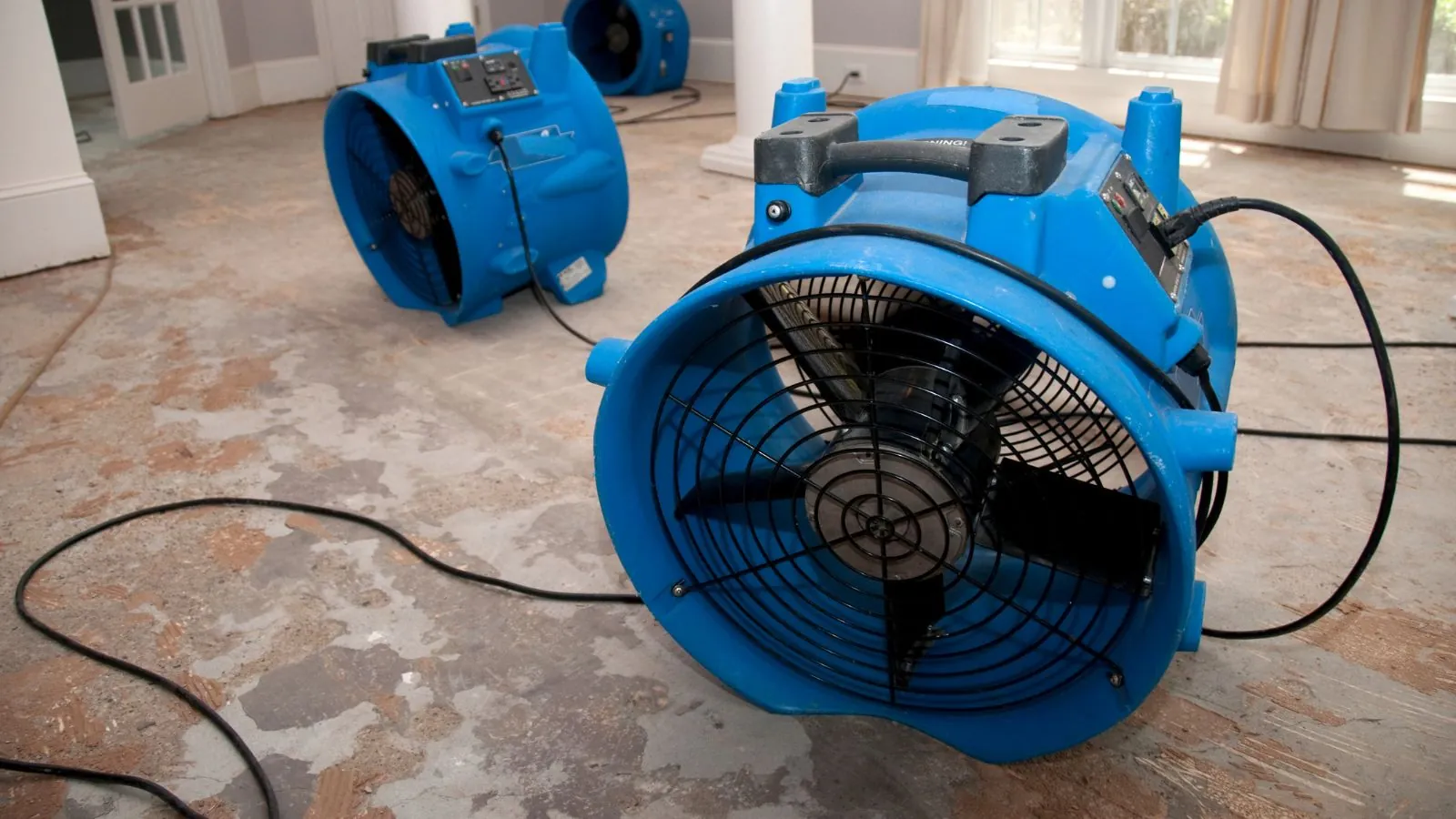
- Dry the structure as described under structural drying.
- Verify with moisture readings before any rebuild starts.
Contents, vehicles and what can be saved
Hard items such as furniture frames, glassware and many tools can usually be washed and disinfected. Mattresses, upholstered pieces, stuffed items, and most food that touched flood water cannot be made safe and are discarded. Photograph and list items before they go, because the list supports a claim.
Electronics and appliances that touched flood water should not be plugged in until they are inspected, and gas appliances need a professional check. For the longer list of decisions, see what to keep and what to throw away.
| Item | Usual outcome after flood water | Why |
|---|---|---|
| Carpet and pad | Removed | Hold contaminants deep in the fiber. |
| Drywall touched above the line | Cut out | Wicks water above the visible mark. |
| Solid hardwood | Case by case | Depends on time wet and cupping. |
| Concrete floor | Cleaned and dried | Non-porous enough to disinfect. |
What drives the price of flood damage cleanup
Flood jobs scale with volume and contamination, so a number given over the phone before anyone has looked is a guess.
Depth and square footage
More water and more floor means more pump hours and more material removed.
Contamination level
Flood water brings disposal and protective-gear costs that clean-water losses do not.
Porous materials
Carpet, pad, insulation and board come out and are replaced later.
Drying length
Silt-laden structures may need extra cleaning before drying can start.
Access
Basements and crawl spaces slow every step.
How insurance usually enters the picture
Homeowners policies commonly exclude rising surface-water flooding, which is why people carry a separate flood policy or an endorsement. Coverage differs for water from a failed plumbing line, so read your policy and talk to your insurer before you decide how to proceed.
To get a scope tied to your flood, call (844) 950-6900
Safety steps and the standard behind the work
What to do first: stop the source if it is safe to reach, keep people and pets out of wet rooms, and photograph the damage before anything moves. What not to do: do not touch wet outlets, do not walk through standing water near panels, and do not run a household vacuum on water. Professional drying practice is described in the ANSI/IICRC S500 standard for water damage restoration, which sets out water categories and drying goals. This page is general guidance, and a site visit is what confirms the actual scope.
Questions Cedar City homeowners ask
Yes. Storms do not follow business hours. Dispatch is staffed around the clock and prioritizes homes with active water entering.
Treat it that way until a trained technician says otherwise. Runoff and creek water pick up soil, chemicals and bacteria on the way.
You can move belongings upward and take photos. Avoid entering standing water, and do not run electrical equipment on wet floors.
Often not for rising surface water. A separate flood policy is the usual route, so check your policy and ask your insurer.
Most structures need several days of equipment, and the exact number is set by moisture readings, not a calendar.