Find the source first
Before cleanup, work out where the water came from. A supply line is clean water. Storm runoff and groundwater carry soil. A floor drain backup may be sewage. The source tells us how to protect crews and what materials can stay.
Look for water entering at the wall-floor joint, through window wells, from floor drains, or from above. A plumber can find a pipe leak, and the city public works department can help if a main is involved.
Basement safety
- Do not enter if water is deep or near electrical equipment.
- Turn off power at the main panel only from a dry location.
- Never mix cleaners, and ventilate if you use any.
For a home on the east side, see water damage cleanup in Cross Hollow.
What we do in a flooded basement
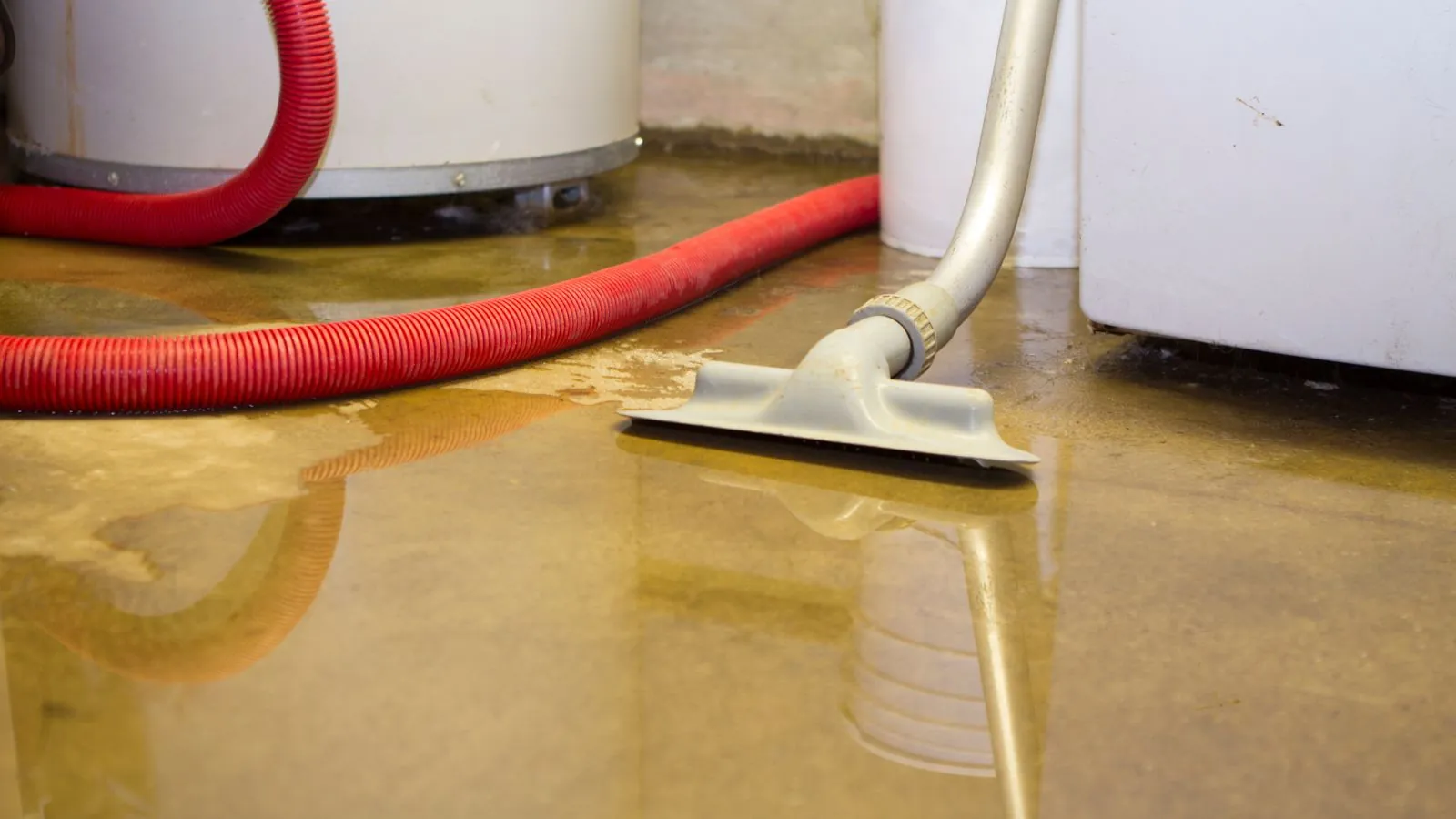
We pump out the water, extract the rest, remove wet carpet, pad and insulation, cut out wet drywall to a measured height, clean and disinfect, and dry with air movers and dehumidifiers. Items stored on the floor are sorted into keep, clean and discard.
Moisture can wick into concrete and block walls, so drying takes longer than in above-grade spaces. See structural drying for how readings guide the finish.
- Document and photograph the space.
- Pump and extract standing water.
- Remove wet porous materials.
- Clean and disinfect.
- Dry and monitor.
- Verify readings before rebuilding.
Sump pump failed?
Call now. Standing water gets worse by the hour.
Restoration is not waterproofing
Once the basement is dry, the question is why it flooded. Restoration puts a wet space back to normal. It does not stop water from returning. Grading, gutters and downspouts, window wells, a working sump and drainage work address the cause, and they are done by other contractors.
Before and after a storm season, check the sump, test the pump, clear window wells and confirm downspouts discharge away from the house. Details are in prepare for monsoon season.
Stored belongings and what to do with them
Basements hold the things we rarely sort: boxes of photos, holiday decorations, tools and furniture. After a flood, move salvageable items to a dry area, spread out wet paper to dry, and freeze irreplaceable wet photos or documents in sealed bags until you can deal with them.
Cardboard boxes wick water and grow mold quickly, so discard them and move contents to plastic bins once dry. For decisions on specific items, see what to keep and what to throw away and how to save photos and documents.
A basement that doubles as a living space, bedroom or home office brings extra concerns: egress windows, electrical outlets at floor level and finished walls that hide the damage. We check each of these before releasing the space.
Sump pumps and power outages
A sump pump moves water out of a pit. If the power goes out during a storm, or the float sticks, or the pump is simply undersized, the pit overflows. A battery backup or a water-powered backup is the common safeguard.
Test your pump by pouring water into the pit until the float lifts. If it does not run, call a plumber before the next storm. If the pump failed during a loss, keep it and photograph the pit, because an insurer may ask about it.
Cedar City basements and high desert weather
Cedar City's monsoon season in late summer and spring snowmelt both raise water against foundations. The 2021 storms that sent more than ten floods down Coal Creek showed how quickly low areas fill. Whether a house has a basement, and how it was built, varies from home to home.
If your basement has taken water before, tell us. Past moisture can mean wet insulation, hidden mold or deteriorated finishes behind newer paint, and we can check for them.
What basement water damage cleanup depends on
Basement jobs scale with water depth, finishes and contamination.
Depth and area
More water means more pumping.
Finishes
Finished basements have more to remove than unfinished ones.
Water type
Groundwater and sewage carry contamination.
Concrete and block
Dense materials dry slowly.
Contents
Stored items need sorting and documentation.
How insurance usually enters the picture
Coverage depends on the cause. Sudden pipe failures are often covered, groundwater and surface flooding generally need separate flood coverage, and sewer or sump backup needs a specific endorsement. Read your policy and ask your insurer.
For a scope on your basement, call (844) 950-6900
Safety steps and the standard behind the work
What to do first: stop the source if it is safe to reach, keep people and pets out of wet rooms, and photograph the damage before anything moves. What not to do: do not touch wet outlets, do not walk through standing water near panels, and do not run a household vacuum on water. Professional drying practice is described in the ANSI/IICRC S500 standard for water damage restoration, which sets out water categories and drying goals. This page is general guidance, and a site visit is what confirms the actual scope.
Questions Cedar City homeowners ask
Yes. Call the 24/7 line and tell us where the water is coming from.
Restoration is not waterproofing. We dry and clean. A drainage contractor handles long-term control.
Treat it as contaminated until assessed. Keep out and avoid touching it.
Typically several days, depending on materials and readings.
It depends on the cause. Check your policy and ask your insurer.