Water damage in shared buildings
Southern Utah University was founded in 1897, and the streets around it include apartments, shared houses and rentals alongside family homes. In a building with shared walls, ceilings and plumbing, one unit's leak often reaches the next.
A water heater that fails upstairs, an overflowing tub or a washer hose that bursts can soak a ceiling below within minutes. Water follows pipes, joists and wiring openings, so the wet area is often larger than the visible stain.
| Situation | Who usually needs to act | Why it matters |
|---|---|---|
| Leak starts in your unit | You and your landlord, quickly | Delay lets water reach neighbors. |
| Water arrives from the unit above | You, the landlord and property manager | The source must be stopped before drying works. |
| Roof or common-area leak | Landlord or building owner | Tenants should still document their belongings. |
| Shared plumbing stack backs up | Landlord and a plumber | Sewage is contaminated and needs professional handling. |
If you rent: first steps
- Stop the source if you can do it safely, or call the landlord or emergency maintenance line.
- Photograph the damage to the unit and to your belongings.
- Notify the landlord or property manager in writing, and keep a copy.
- Move valuables and electronics out of wet areas.
- Ask your landlord who will arrange drying, and call us if you are told to.
Our guide to water damage in a rental covers responsibilities in more detail. Lease terms and Utah law decide who must repair what, so read your lease and ask the landlord rather than assuming.
A landlord's insurance generally covers the building, not your belongings. Renters insurance, if you have it, may cover your property. Check your policy and keep a list of what was damaged. Our guide to saving photos and documents may help.
Landlord notified?
Call for extraction while you sort out the paperwork.
If you own or manage the property
Owners and managers should act fast and keep records. Document the cause, the dates, every room affected and every conversation with tenants. Neighbors in other units may need to be notified if water has crossed a shared wall.
We provide a written scope before work starts, so you can send it to your insurer. If the building has several units, we map the wet areas unit by unit, since each may be a separate claim. For larger buildings, our commercial water damage page explains how multi-unit jobs are handled.
Wall and ceiling damage between floors is common, so see ceiling repair and wall and drywall repair. Carpet in student housing is often replaced after contaminated water, and carpet restoration explains when it can be saved.
For everyone in the building
- Do not touch wet outlets or light fixtures, and stay clear of ceilings that bulge.
- Keep people out of rooms with sagging drywall.
- Do not use extension cords through standing water.
- Treat sewage as contaminated and leave it to professionals.
Drying quickly and moving on
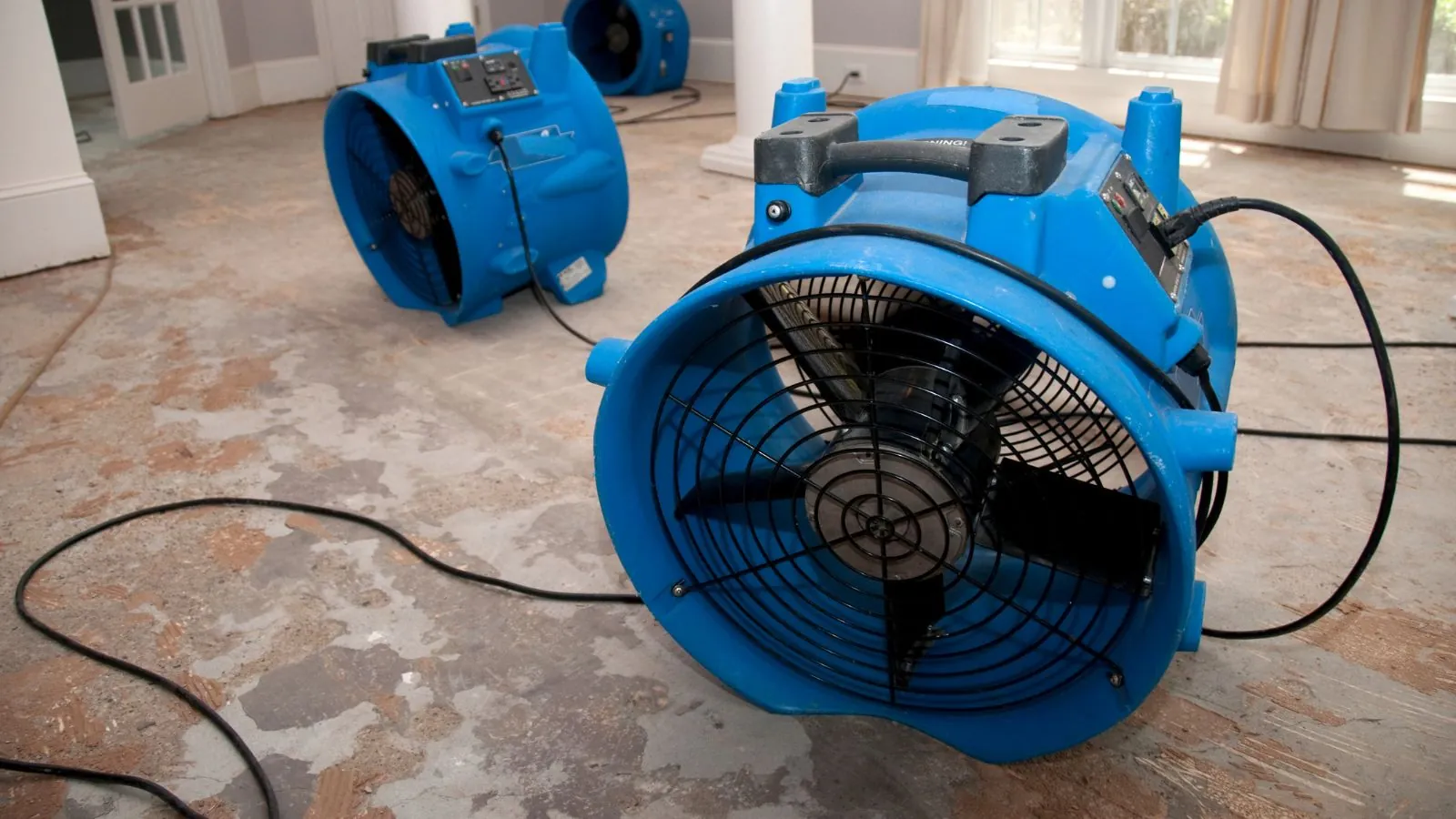
Speed matters in a building where several households are affected. We extract water, measure moisture in floors, walls and ceilings, and place equipment. Daily readings show when each room is dry. See water extraction and structural drying.
Mold can start within days in damp materials, so ask for readings before walls are closed. Keeping the drying log protects owners and tenants if a question comes up later.
Older central buildings share many of the same concerns, as the page on the Historic District explains. All covered areas are listed on the Cedar City service area page.
Safety steps and the standard behind the work
What to do first: stop the source if it is safe to reach, keep people and pets out of wet rooms, and photograph the damage before anything moves. What not to do: do not touch wet outlets, do not walk through standing water near panels, and do not run a household vacuum on water. Professional drying practice is described in the ANSI/IICRC S500 standard for water damage restoration, which sets out water categories and drying goals. This page is general guidance, and a site visit is what confirms the actual scope.
Questions Cedar City homeowners ask
It depends on the cause, the lease and Utah law. The landlord's policy generally covers the building and renters insurance may cover your belongings.
Notify your landlord in writing and stop the source. You can call us at the same time for extraction.
Yes. Water follows pipes, joists and wall cavities, so check ceilings and walls below and beside the source.
Yes. We give a written scope that can be shared with owners and insurers.
Stay out, keep others out and call. Sewage is contaminated and needs professional cleanup.