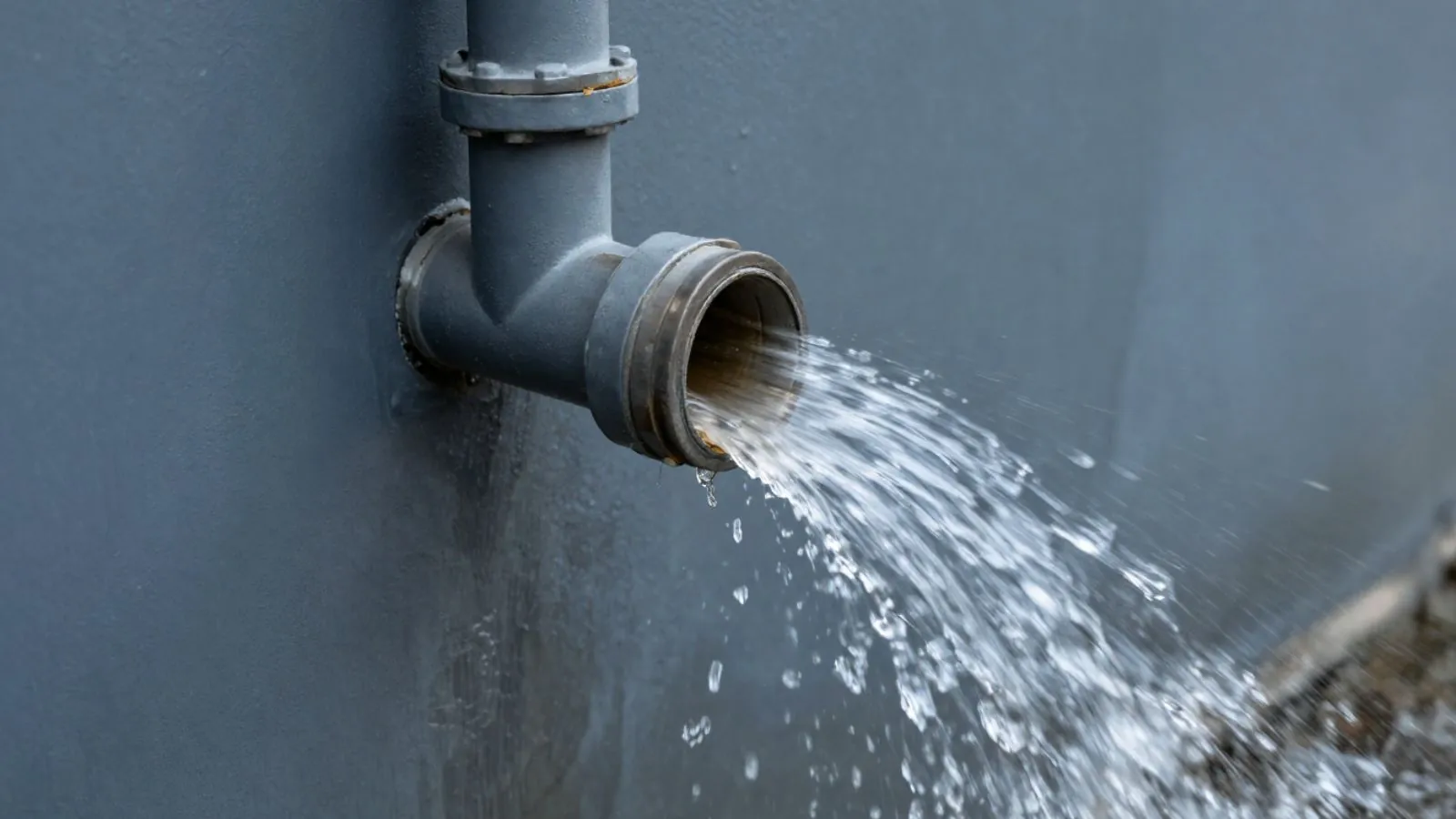
The thaw is when the damage shows up
A frozen pipe splits or a fitting pops long before you see a puddle. Ice holds the break closed. Once the temperature rises or the heat comes back on, the ice melts and water pours through the crack at full line pressure.
That delay catches people out. A garage wall, an unheated crawl space or a pipe along an exterior wall can be cracked for days while the house looks fine, then flood a room in a few minutes on the first warm afternoon.
While a pipe is thawing
- Locate and close the main water valve before the thaw begins if you suspect a frozen line.
- Never use a propane torch or open flame near framing and pipes.
- If a ceiling is bulging or dripping, move people out of the room beneath it.
Cedar City winters and the pipes most at risk
At roughly 5,800 feet, Cedar City has long cold seasons with freezing nights. The riskiest lines are those in exterior walls, garages, crawl spaces, attics and outdoor hose bibs, plus lines near a vent or a gap where cold air reaches the pipe.
The Utah Insurance Department notes that frozen pipe losses may not be covered when they result from negligence, such as failing to keep the house heated. That makes it worth documenting that heat was on, and photographing the damaged area, before cleanup begins.
Water showing up after a thaw?
Call now. Same-day response is offered when crews are available.
How we dry what the thaw soaked
The process matches other supply-line losses but starts at the failed section. We locate the wet area with a moisture meter and thermal camera, remove saturated insulation and board in measured cuts, and set drying equipment sized to the wet volume.
Low-temperature drying has its own difficulty. Cold materials release moisture slowly, so the heated, dehumidified drying environment described under structural drying matters more here than in summer. The repair of the pipe itself belongs to your plumber.
| Location of the freeze | Common sign | What to tell dispatch |
|---|---|---|
| Exterior wall | Wet drywall below a window | Which wall and floor, and whether heat was on. |
| Crawl space | Low water pressure, damp insulation | If the access hatch is safe to open, see crawl space water damage. |
| Attic line | Ceiling stain after a warm day | Where the stain is and if it is sagging. |
| Outdoor spigot | Water inside the wall behind it | Location of the hose bib. |
Prevention that is worth doing before the first hard freeze
Disconnect hoses, close indoor shut-offs to outdoor faucets, and open cabinet doors on exterior walls during extreme cold. Let a faucet drip on the coldest nights if a line runs through an unheated space, and know where the main shut-off is.
None of this guarantees a pipe will not freeze, and a vacation or a power outage can still catch you. If it does, the same-day drying approach on the burst pipe page applies, and the pipe repair is a plumber's job.
What frozen pipe cleanup depends on
Frozen pipe jobs vary a lot because the water can travel before anyone notices.
Hours of flow
A pipe found at the first drip is far smaller than one that ran all night.
Wall and ceiling extent
Water often runs down several floors from one split.
Insulation and finishes
Wet insulation usually has to come out, while paint and trim are cosmetic.
Cold-weather drying
Low temperatures slow drying and may add equipment days.
Rebuild scope
New board, paint and trim are priced after the cavity is dry.
How insurance usually enters the picture
Whether a frozen pipe loss is covered depends on the policy and the circumstances, so ask your insurer before cleanup and keep photos of the damaged section and the thermostat setting.
To price your loss, call (844) 950-6900
Safety steps and the standard behind the work
What to do first: stop the source if it is safe to reach, keep people and pets out of wet rooms, and photograph the damage before anything moves. What not to do: do not touch wet outlets, do not walk through standing water near panels, and do not run a household vacuum on water. Professional drying practice is described in the ANSI/IICRC S500 standard for water damage restoration, which sets out water categories and drying goals. This page is general guidance, and a site visit is what confirms the actual scope.
Questions Cedar City homeowners ask
Yes. Freezes and thaws do not follow business hours, so dispatch answers around the clock including weekends and holidays.
No. A pipe can freeze and thaw without splitting. But you cannot tell from outside, so watch for wet walls, a drop in pressure or sounds of running water after it thaws.
Raising the room temperature slowly is safer than using a torch. Keep the main valve ready to close, and call a plumber if you cannot tell whether the line is cracked.
It might. Coverage often depends on whether the home was heated and maintained. Read your policy and ask your insurer, and the Utah Insurance Department can explain how to dispute a claim.
Vacant homes are the hardest because no one notices the leak. Ask the dispatcher about an inspection of the affected rooms and a written scope.