Where the water came from decides the work
A stained ceiling is a symptom, not a diagnosis. Water can come from a roof leak, an attic duct sweating, a failed upstairs supply line, a tub or toilet above, or a slow drain. Each source leaves a different pattern and calls for a different fix.
Brown rings with soft edges usually mean repeated wetting over time. A fresh dark patch with drips points to an active leak. Multiple stains in a line along a joist suggest a pipe, while stains below a roof valley or penetration point to the roof.
If the ceiling is bulging
- Move people and pets out of the room beneath it.
- Place a bucket under the lowest point, and puncture the center of the bulge with a screwdriver only if you can stand to the side.
- Do not use ceiling fixtures near a wet spot. Switch off the circuit at the panel if lights are flickering.
Roof leaks that become ceiling damage
A roof leak rarely shows up where it enters. Water travels along decking and rafters, soaks insulation, and drips through the ceiling several feet away from the actual breach. Chasing a stain with caulk from the inside never fixes the roof.
Cedar City sits near 5,800 feet and sees monsoon downpours in late summer and snow and ice cycles in winter. Flashing at chimneys, vents and valleys is where most leaks begin, and ice-dam and freeze-thaw cycles open small gaps that then take in rain. A roofer repairs the roof. Our role is the wet insulation, framing and ceiling that the leak already reached.
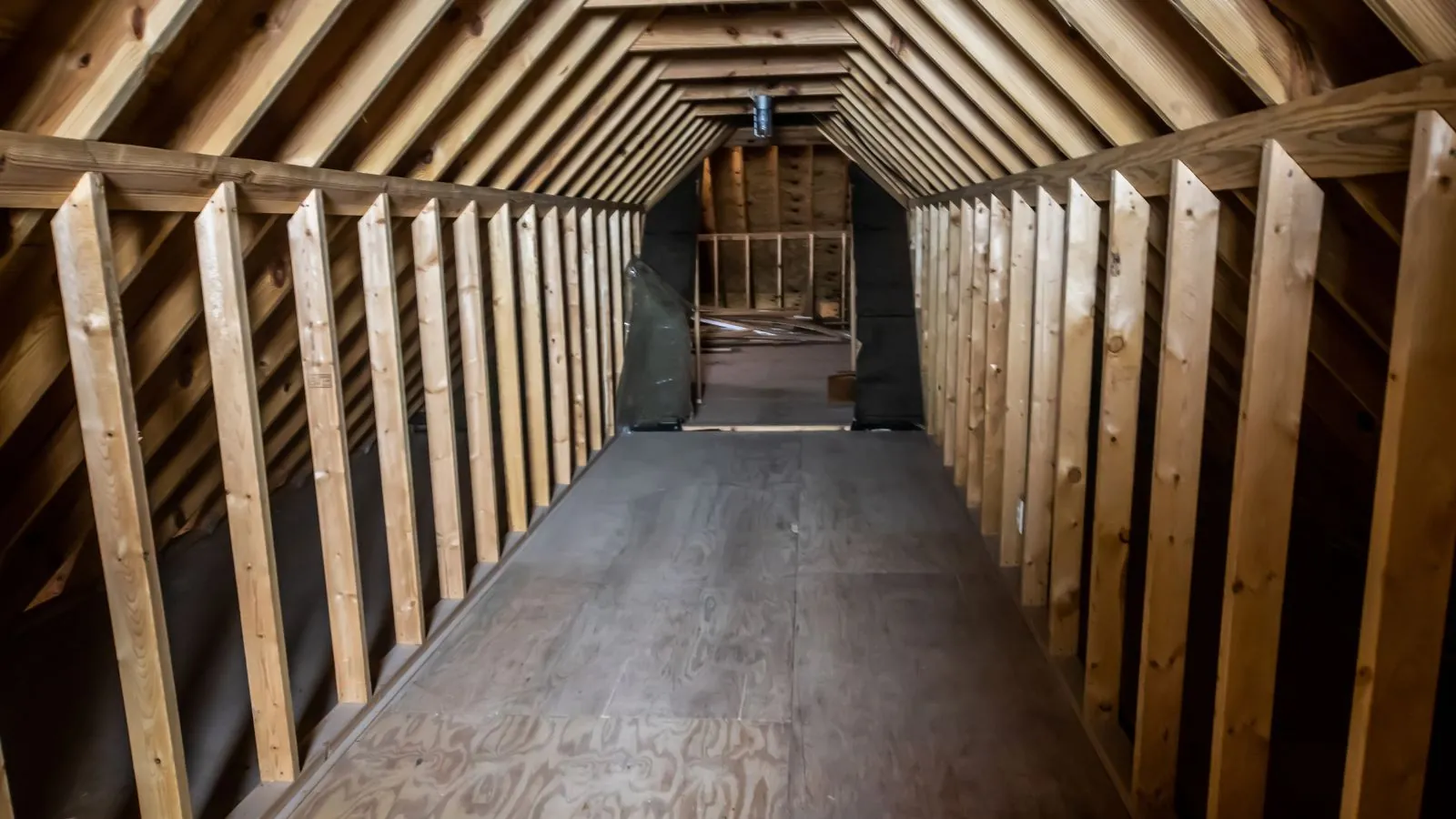
If the storm was heavy, check the attic after it passes. Look for dark insulation, wet sheathing and daylight at penetrations, and take photos of anything you find before you move it. Those pictures help both the roofer and any claim.
For an active roof leak, a temporary tarp from a roofer or a roof-repair company buys time while the permanent repair is scheduled. We can dry the interior the same day, but a ceiling re-wetted by the next storm has to be done twice.
Ceiling already stained?
Call so the cavity above it can be checked before the stain spreads.
How we dry a wet ceiling
Insulation soaked with water presses down on drywall and drags it down. We remove wet insulation first, cut out ceiling board that is saturated or sagging, and open enough of the area to dry the framing above it.
A moisture meter and thermal camera show how far the wet area really extends, which is usually well beyond the visible stain. Air movers and a dehumidifier then run until the readings fall to a normal range, following the drying approach on structural drying.
| Ceiling symptom | Likely cause | First check |
|---|---|---|
| Round brown ring, dry now | Past roof or plumbing leak | Check attic for old wet insulation. |
| Drip during rain only | Roof flashing or penetration | Roofer inspection. |
| Stain below a bathroom | Tub, toilet or drain above | Plumber, see burst pipe page if sudden. |
| Sweating near a vent | Condensation from a duct | HVAC check. |
| Bulging, sagging | Water pooled above the board | Drain safely and call now. |
Roof leak water damage and what happens above the ceiling
Roof leak water damage deserves its own attention because the harm is hidden. Wet insulation loses its R-value and stays wet for weeks. Wood sheathing and rafters can darken and, if the moisture persists, develop mold on surfaces you cannot see from the room below.
Quick action keeps this small. Within a day or two, wet insulation can be pulled and the framing dried. After a week or more of repeated wetting, expect more material to be replaced. Ask your roofer to check the attic ventilation too, since poor ventilation holds moisture in and makes small leaks worse.
Pests also follow moisture into attics. Wet insulation and damp framing attract insects and rodents, so the cleanup includes removing contaminated material and confirming the area is clean before new insulation goes in.
Keep roof invoices and the roofer's notes. They show when the repair happened, which matters if an insurer asks whether the leak was sudden or ongoing.
What a ceiling water damage repair depends on
Ceiling jobs range from one patch to a full room, so the scope sets the number.
Source of the water
Clean plumbing water, storm water and sewage drips are handled differently.
Ceiling type
Flat drywall, textured board and plaster behave differently when wet.
Insulation
Wet insulation is usually removed and replaced.
Height and access
Vaulted ceilings and tight attics add labor.
Finish work
Texture matching, priming and paint are separate from drying.
How insurance usually enters the picture
A sudden leak from a storm or burst line is often covered by a homeowners policy, while wear and long-term seepage often are not. Photos of the attic and ceiling, and the roofer's report, help support the claim.
For a scope on your ceiling, call (844) 950-6900
Safety steps and the standard behind the work
What to do first: stop the source if it is safe to reach, keep people and pets out of wet rooms, and photograph the damage before anything moves. What not to do: do not touch wet outlets, do not walk through standing water near panels, and do not run a household vacuum on water. Professional drying practice is described in the ANSI/IICRC S500 standard for water damage restoration, which sets out water categories and drying goals. This page is general guidance, and a site visit is what confirms the actual scope.
Questions Cedar City homeowners ask
Yes. A ceiling can fail at any hour. Call the 24/7 line, say how large the bulge is and keep people away from the room below.
Not until the source is fixed and the cavity is dry. Painting over wet material traps moisture and the stain returns.
Not always. Wet sections can be cut out and patched when the rest tests dry, but saturated or sagging board should come out.
Leaks that appear only in rain point to the roof. Constant or sudden leaks point to plumbing. Dispatch can help you narrow it.
No, a roofer handles that. We dry and restore the interior, and we coordinate around the roofer's schedule.