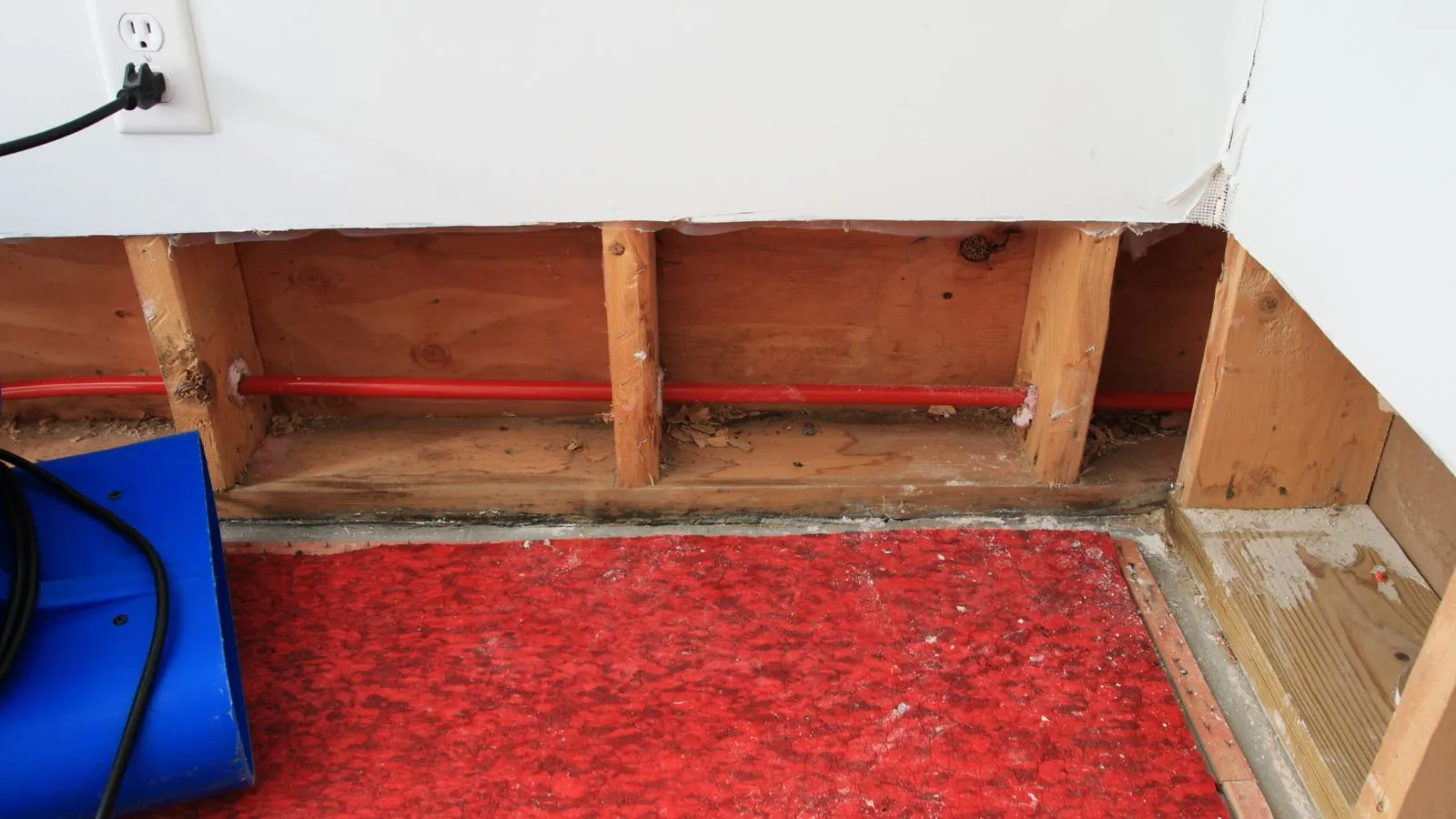
Start with the water category
Clean water from a supply line is the lowest risk. Gray water from a dishwasher or washing machine is moderate. Black water from sewage or flood water is a health hazard. If the water was contaminated, the affected area should be off limits, and sometimes the whole home should be vacated until cleaning is finished.
Ask the crew to tell you the category in writing and what they based it on. If they cannot explain it, ask again before agreeing to stay.
| Water source | Usually stay home? | Main concern |
|---|---|---|
| Clean supply line | Often yes | Slips, noise, power use. |
| Appliance overflow | Often yes | Odor, damp floors. |
| Storm or flood water | Often no in affected areas | Contamination. |
| Sewage backup | Usually no | Pathogens, odor. |
Safety factors that decide it
Electrical safety comes first. If the panel, outlets or wiring got wet, the circuits may need to be off, which can leave you without heat, refrigeration or lights. Structural safety follows, since a sagging ceiling or a soaked floor can fail.
Air quality matters as well. Sewage, mold and disinfectant products can irritate lungs. People with asthma, allergies, weak immune systems, pregnant women, infants and older adults are more sensitive. If anyone in your household falls into those groups, lean toward staying elsewhere during the messy phases.
Move out if
- The home has no safe power, heat or running water.
- Sewage or flood water is present on living floors.
- A ceiling or floor is unstable.
- Someone in the home has a respiratory condition and the air is affected.
Need a safety check?
Call and we will talk through what is safe for your situation.
What the work is like if you stay
Expect noise from air movers and dehumidifiers running around the clock, warm rooms from equipment, extension cords across floors, plastic sheeting and containment barriers, and crews coming and going. Drying typically takes several days. Some rooms may be closed off.
You can usually sleep in unaffected bedrooms. Ask which parts of the house will be sealed off and which bathroom and kitchen you can use. Keep pets away from equipment and cords.
Sleep is the main cost for many families. Equipment can be turned down at night in some cases, but powerful dehumidifiers still hum. Ask the crew about noise before you commit.
Questions to ask the restoration company
- What is the water category and how do you know?
- Which rooms will be sealed off and which can I use?
- Will power, water and heat stay on?
- How loud will the equipment be at night?
- How long will the equipment run?
- What should I do with pets and medications?
Special situations: kids, pets, remote workers and rentals
Families with infants or young children should be especially careful with dust, disinfectants and open walls. Keep children out of any room being demolished, and put toys, bottles and bedding in a clean space. Pets can chew cords and get into drying equipment, so keep them in a closed, unaffected room or board them for a few days.
If you work from home, ask the crew where equipment will run and whether your internet and power can stay on. Drying machines draw significant current. A single dehumidifier can pull as much power as a small space heater, so a full setup may trip a circuit if several run on one line. A good crew spreads the load across circuits.
Renters should tell the landlord right away, since the lease may give the landlord control over repairs and may provide for a rent reduction or temporary relocation. Our guide for renters and landlords covers who typically pays for what.
How to prepare your household for a drying week
- Pack a go-bag with medication, chargers, documents and a few days of clothes in case you need to leave.
- Move valuables, electronics and children's items out of rooms that will be opened.
- Clear a path for crews and equipment, and secure pets.
- Ask the crew for a daily plan, so you know when they will arrive and when machines will be adjusted.
- Keep windows closed in the drying zone unless the crew tells you otherwise, since open windows work against dehumidifiers.
Signs the home is ready to return to normal
Equipment is removed when moisture readings reach the dry standard, not when a certain number of days passes. Ask to see the final readings and compare them with an unaffected reference area. Odors should be gone, surfaces dry to the touch, and no new stains should appear.
Keep monitoring after the crew leaves. If you notice a musty smell or a new stain, call back promptly; the drying log helps the crew find the likely spot.
Insurance, hotels and additional living expense
Many homeowners policies include coverage for additional living expenses if a covered loss makes your home unfit to live in. This can pay for a hotel or short-term rental. It usually requires that the loss be a covered event and that the home is genuinely uninhabitable. Ask your insurer before you book, and save receipts.
Do not assume coverage. Ask your agent what documentation they need. Our team can provide a written note about the conditions in the home, but the insurer decides.
A local note for Cedar City families
Cedar City has a large student and seasonal population thanks to Southern Utah University and the summer festival crowd, and short-term housing can fill up quickly. If you might need to leave your home, call for alternative lodging early rather than the night of the loss.
Practical takeaway: if your house is in a cold winter spell and the heat is off for drying work, plan for a warm place to sleep, because indoor temperatures drop quickly at roughly 5,800 feet.
What to do and what not to do while you decide
What to do: document the damage, protect valuables and write down dates and times. What not to do: do not touch wet electrical equipment, and do not assume a dry surface means a dry structure. The ANSI/IICRC S500 standard for water damage restoration is the industry reference for water categories and drying goals. This article is general information and does not replace advice from your insurer, a licensed plumber or an electrician.
Questions Cedar City homeowners ask
Often for clean-water losses with power and heat intact. Contaminated water means leaving the affected areas, and sometimes the house.
Usually not until cleaning and disinfection are finished.
Possibly in the wet areas, for safety. Ask which circuits will be off.
It might through additional living expense coverage. Ask your insurer before booking.
Plan a warm alternative if the heating is shut down during drying, because temperatures fall fast overnight in winter.