What the smell actually is
A musty odor usually comes from microbial growth on damp materials, such as mold or bacteria on wood, drywall paper, carpet pad or insulation. The smell is the chemicals those organisms release. You smell it before you see it, which is why it is such a useful clue.
It does not tell you whether the growth is harmful or how big it is. It does tell you that moisture is present in a place air can reach, even if the surface looks dry. Covering the smell with air fresheners or paint just hides the evidence.
| Where the smell is strongest | Likely source | Next step |
|---|---|---|
| Near a wall base | Wet drywall or insulation | Moisture mapping, see wall repair. |
| Over carpet | Wet pad or subfloor | Lift a corner and check, see carpet restoration. |
| Closet or cabinet | Slow leak or humidity | Check plumbing and ventilation. |
| Vents when HVAC runs | Duct or coil moisture | HVAC inspection. |
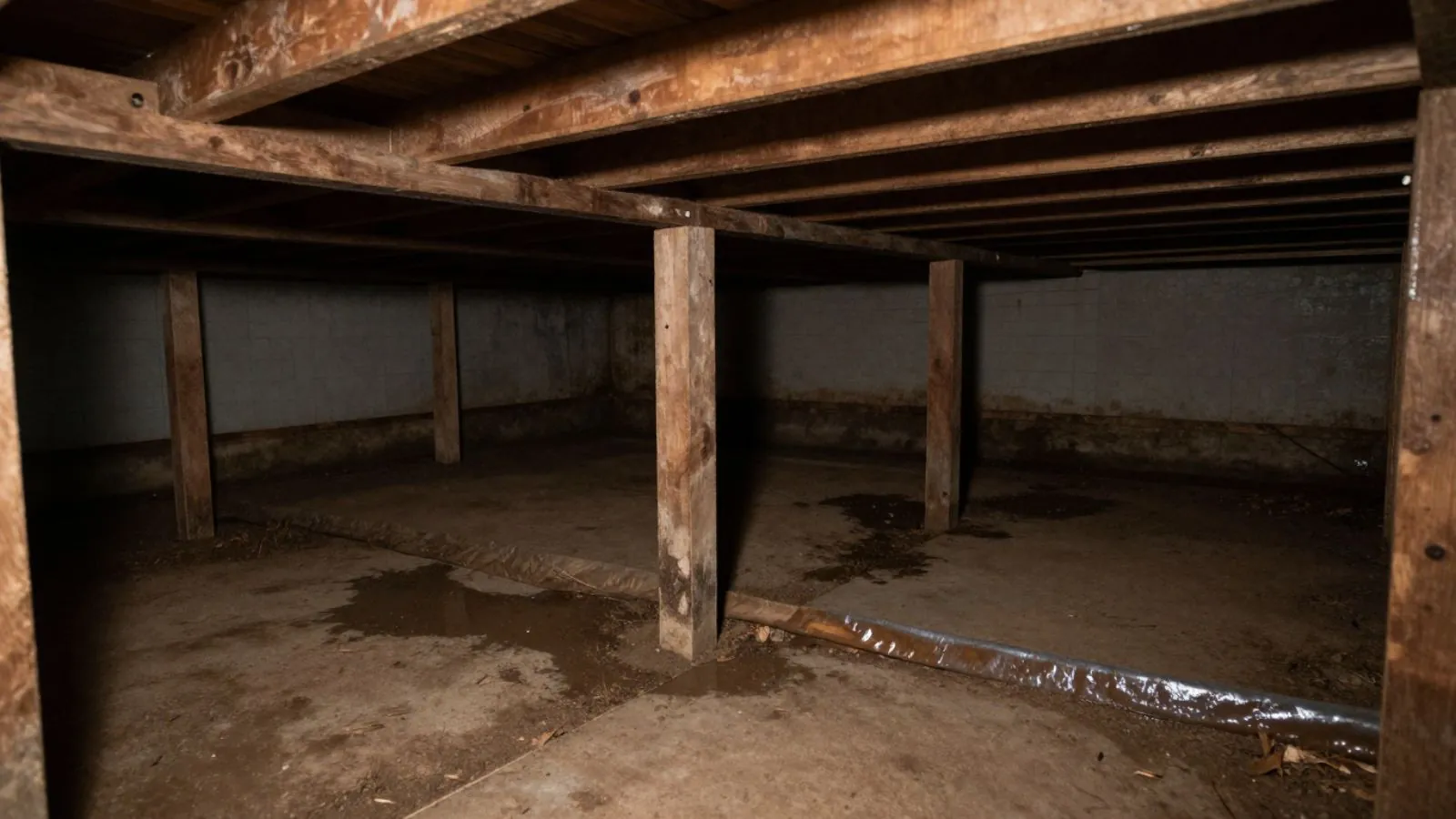
| Basement or crawl space | Damp soil or standing water | See crawl space water damage. |
How to find the source
- Smell around the room at different heights to narrow down the area.
- Look for stains, bubbling paint, warped trim or soft spots.
- Lift carpet corners and check the pad and tack strip for dampness.
- Check under sinks, behind appliances and in closets next to plumbing walls.
- Use a moisture meter or hire someone with one, since walls can be wet with no visible sign.
- Check the humidity: indoor readings above about 60 percent for long periods support growth.
Want the source found?
Call and ask for a moisture and thermal survey.
What to do about it
Fix any active leak first, since drying a space that keeps getting wet is pointless. Then dry the structure with equipment, remove materials that cannot be dried, and clean surfaces. Controlling humidity with dehumidifiers and good ventilation keeps growth from returning.
Small areas of surface mold on hard, non-porous materials can be cleaned with detergent and water. Larger growth, growth in drywall or insulation, and anything you suspect inside walls call for a professional. The EPA offers consumer guidance suggesting professional help when the area is larger than roughly ten square feet.
Protect yourself
- Wear gloves, a mask rated for particles and eye protection.
- Do not disturb large moldy areas, which releases spores.
- People with asthma, allergies or weakened immunity should stay away from the work.
- Do not mix bleach with other cleaners.
Testing: when it helps and when it does not
Air and surface tests can confirm what type of mold is present but they do not tell you what to do. The first step is always to fix moisture and remove growth. Testing makes sense when you need documentation for a dispute, a sale or a health question, and a qualified third party should do it.
Be skeptical of anyone who sells fear. A good inspector explains what the results mean and does not push a particular remedy. See restoration vs remediation for how mold work is scoped.
Smell clues by room
In a bathroom, a musty smell with no visible mold often comes from behind tile or under the tub, where a small leak keeps materials wet. In a kitchen, it often points to a cabinet floor under the sink or behind the dishwasher. In a bedroom, the likeliest source is an exterior wall or a window sill that takes in rain.
In a basement, the smell usually comes from damp concrete, carpet or stored items. In a closet, it can be a plumbing wall or poor air circulation. Move items away from walls, open doors for airflow and check again after a few days. If the smell persists in a given spot, mark it and have the area surveyed.
Pets and cooking can confuse the picture, so air the house first. A smell that returns within a day, especially when the HVAC runs, is a sign of ongoing moisture.
What a survey looks like
A moisture survey uses a pin meter, a pinless meter and a thermal camera to find damp materials. The technician records readings at set points, compares them with a dry reference and marks wet areas. If something is wet, the next step is to find the source and dry it. A written report and a map of readings are standard.
A survey does not require tearing anything open. When it does point to wet cavities, a small inspection hole can confirm what is inside before any larger cut is made.
Keeping the smell from coming back
- Keep indoor humidity between about 30 and 50 percent where possible.
- Run bathroom and kitchen fans, and vent dryers outside.
- Fix gutters and downspouts so water drains away from the foundation.
- Use dehumidifiers in basements during humid spells.
- Check under sinks and behind appliances twice a year.
A local note for Cedar City homes
Cedar City's air is dry much of the year, so a persistent musty smell in a normal room is a stronger signal than it would be in a humid climate. It usually points to a specific wet spot, such as a basement wall, a crawl space or a plumbing leak, and not to general humidity.
Practical takeaway: because the climate is dry, a stubborn smell is worth a moisture survey. The source is usually small and findable.
What to do and what not to do while you decide
What to do: document the damage, protect valuables and write down dates and times. What not to do: do not touch wet electrical equipment, and do not assume a dry surface means a dry structure. The ANSI/IICRC S500 standard for water damage restoration is the industry reference for water categories and drying goals. This article is general information and does not replace advice from your insurer, a licensed plumber or an electrician.
Questions Cedar City homeowners ask
Not always, but it usually means moisture and microbial growth. A moisture check finds the source.
It may reduce airborne particles but will not fix the cause. Dry the source.
Mold can irritate people with allergies or asthma. Treat the source rather than waiting.
It can begin within 24 to 48 hours on materials that stay wet.
A local wet spot such as a leak, damp basement or crawl space is the usual cause.