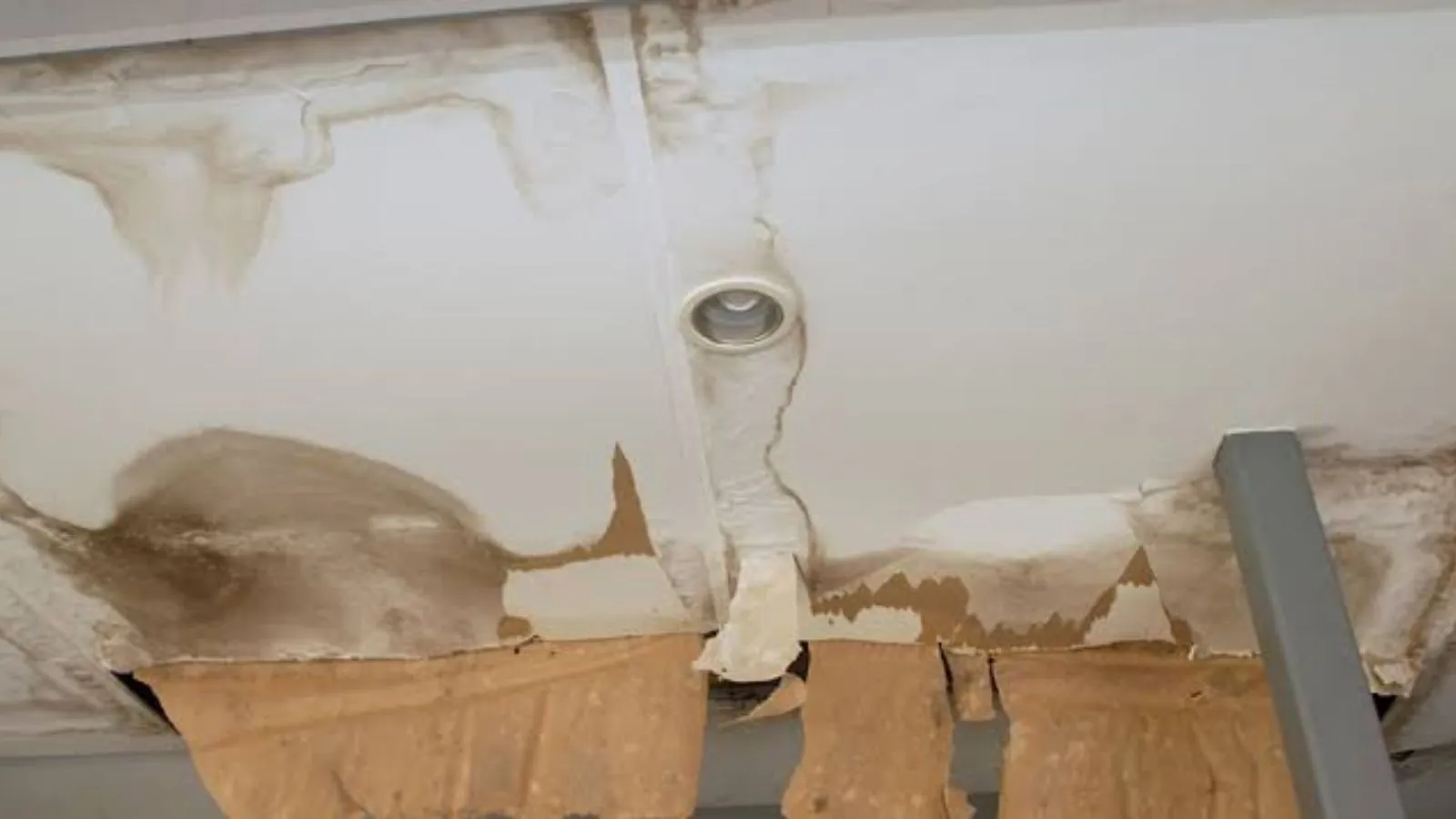
What a scope is and is not
A scope describes tasks, locations, materials and standards. It is not a price list, though it often accompanies one. It should be specific enough that a third party could look at the room afterward and check whether the work was done.
A weak scope says dry out basement. A strong scope says extract standing water, remove wet carpet and pad in the east room, cut drywall to 24 inches above the floor, set six air movers and two dehumidifiers, and take readings every day until the walls meet the dry standard.
The more specific the scope, the easier it is to compare against an insurance estimate and to hold the contractor to the plan.
Section by section
| Section | What to look for | Question to ask |
|---|---|---|
| Project description | Address, cause, water category, date | Is the category documented? |
| Work areas | Rooms and square footage | Are all wet rooms listed? |
| Tasks | Extraction, tear-out, cleaning, drying | Is each task tied to a room? |
| Materials | Types and grades for rebuild | Do they match what was removed? |
| Equipment | Type, count, days | How was the count chosen? |
| Monitoring | Frequency and records | Will I get the drying log? |
| Exclusions | What is not included | Who handles those items? |
| Change orders | How added work is approved | Is my approval in writing? |
Contract in hand?
Call before you sign and ask any question about the scope.
Standards the scope may refer to
The restoration industry uses published standards, including the IICRC S500 for water damage restoration and S520 for mold remediation. A scope may say work will follow these. That is a good sign, though a reference is not proof of competence. Ask the crew lead how the standard applies to your job and what training they have.
We mention the standards because they shape the vocabulary, such as water category and drying goals, and because adjusters know them. We do not claim any certification on this page, and you should ask any contractor for their credentials and verify them.
Gaps to watch for
- Rooms mentioned in the photos but missing from the work list.
- No drying goal, only a number of days.
- Rebuild items described by brand only, with no specification.
- Exclusions that cover mold, sewage or hidden damage without explaining who handles them.
- No process for changes or supplements.
- Warranty language without terms or duration.
A sample line, decoded
Here is the kind of line you may see: remove and dispose of wet gypsum board, 24 inch flood cut, kitchen east wall, 14 linear feet, bag and haul. Decoded, it says what material, how high, where, how much and how it leaves the house.
Compare with a vague line: remove damaged drywall. That could mean a patch or an entire room. A useful scope names the height, the walls and the quantity so you can verify it with a tape measure after demolition.
Another example is equipment. Place six air movers and one low-grain refrigerant dehumidifier for four days, with readings daily. The number of air movers, the type of dehumidifier and the days are explicit, and the daily readings are the check.
A short pre-signing checklist
- Does every wet room in the photos appear in the work list?
- Are quantities listed in units I can measure, such as square feet or linear feet?
- Is the drying goal stated, and how will it be proven?
- Who is responsible for permits, disposal and cleanup of the work area?
- What is the process for added work, and who approves it?
- Are the warranty terms written down, with a duration and what they cover?
Take the checklist to the walkthrough and mark each line while you are standing in the room. If an answer is not in the document, ask for it to be added before you sign.
Matching the scope to photos and readings
Before signing, walk the property with the lead technician and compare the scope with what you see. Every wet area in the photos and moisture map should show up in the scope. If an area is missing, ask whether it was dry or just not included.
Ask to see the moisture map, which shows readings across walls and floors. It is the evidence behind the scope. After the job, the final readings should match that map, with every point at or below the dry standard.
Signing, paying and tracking the work
Do not sign anything while rushed. Mitigation is urgent, but a short authorization to begin emergency work is different from a full contract. Ask for a copy of everything you sign.
Payment terms should be clear: deposit, progress payments and final payment tied to milestones. Keep every invoice, photo and drying log in one folder. If you plan to file a claim, send your insurer a copy of the scope early and ask them to review it.
When the work is done, walk through it with the project lead, compare to the scope and note any open items in writing before the final payment.
A local note for Cedar City
In Cedar City, as in the rest of Utah, a contractor performing structural repairs generally needs the appropriate state license, and permits may be needed for some rebuild work. Ask whether the scope includes any permit costs and who pulls the permit.
Practical takeaway: write the license number and the permit responsibility into the scope itself. It takes one line and avoids a common argument.
What to do and what not to do while you decide
What to do: document the damage, protect valuables and write down dates and times. What not to do: do not touch wet electrical equipment, and do not assume a dry surface means a dry structure. The ANSI/IICRC S500 standard for water damage restoration is the industry reference for water categories and drying goals. This article is general information and does not replace advice from your insurer, a licensed plumber or an electrician.
Questions Cedar City homeowners ask
The scope says what will be done. The estimate prices it. They are often combined in one document.
Yes. A drying log with readings is how you know the job is done.
The scope should explain how added work is approved and priced.
Yes, in writing, through a change order that both sides sign.
They may want to review it. Share it early and ask what they require.