The basic rule: sudden and accidental
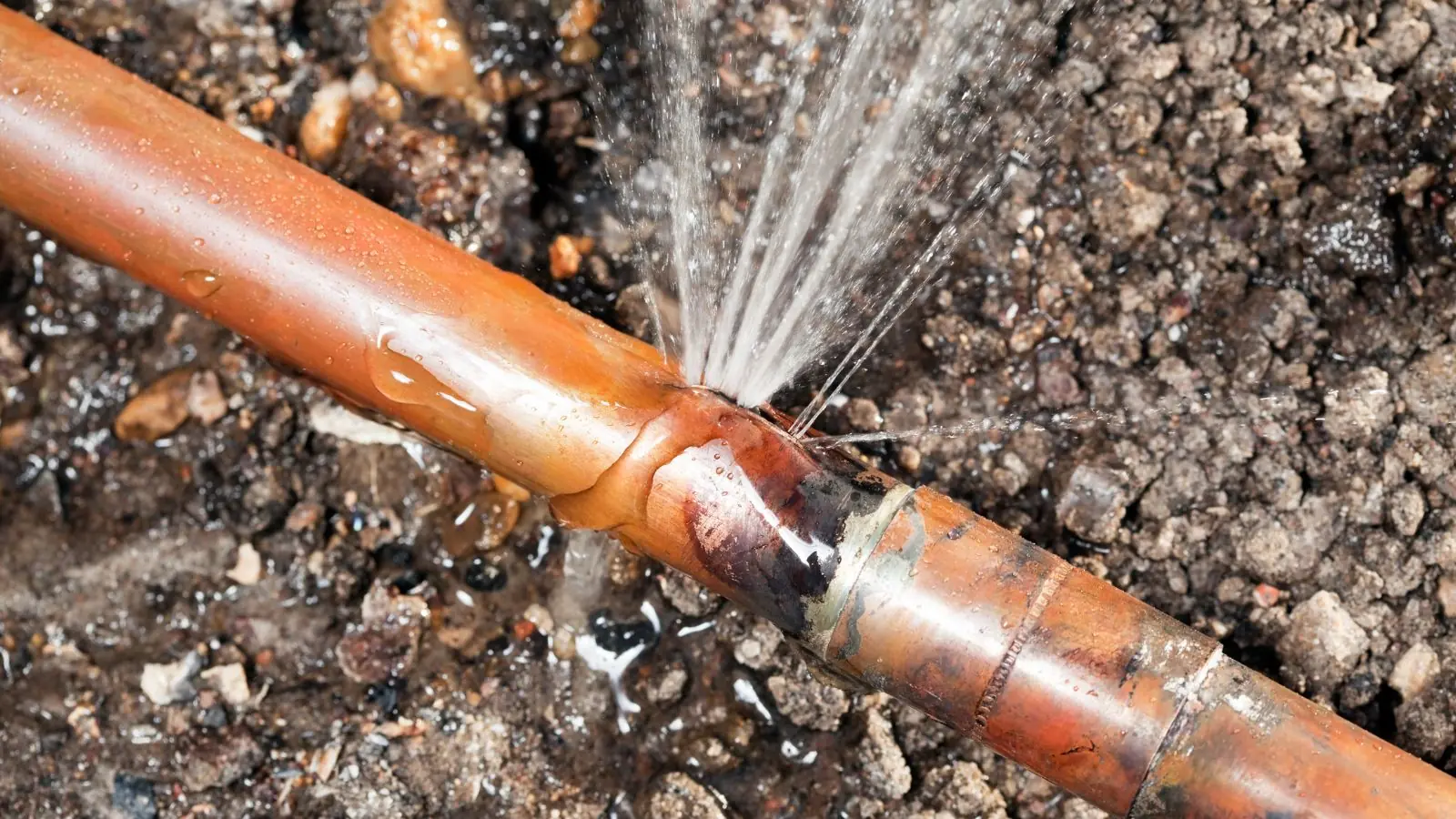
Most standard homeowners policies cover water damage that is sudden and accidental, such as a pipe that bursts, a water heater that fails or an appliance hose that splits. They typically exclude damage that results from long-term leaking, seepage, neglect or maintenance problems.
The distinction matters because the same wet drywall can be covered or not depending on how it got wet. A supply line that failed Tuesday is sudden. A drip under the sink that has soaked a cabinet for six months usually is not. Insurers often look at staining, rust, mold and rot to judge how long water has been present.
Policies differ, and endorsements change the picture. Read the declarations page and the water damage section, or ask your agent to walk you through them in plain language.
What is often excluded
Several water sources are commonly excluded from a standard policy and need separate coverage.
| Water source | Often covered by standard policy? | What may help |
|---|---|---|
| Burst pipe or supply line | Often yes, if sudden | Prompt report and documentation. |
| Water heater or appliance failure | Often yes, if sudden | Keep the failed part. |
| Roof leak from storm damage | Often yes, if the roof was sound | Roofer's report. |
| Rising flood or surface water | Usually no | Separate flood policy. |
| Sewer or drain backup | Often no without endorsement | Water backup endorsement. |
| Long-term seepage or neglect | Usually no | Regular maintenance records. |
Flood coverage is sold separately, often through the National Flood Insurance Program or a private insurer. Many homeowners learn this only after a storm. If your house sits near a creek, a low spot or an old drainage path, ask about flood coverage before the monsoon season, since new flood policies often have a waiting period.
Need drying documentation?
Call and ask for moisture logs and photos your adjuster can use.
What to do in the first 24 hours
- Stop the source of the water if you can do so safely.
- Take photos and video of every wet room, damaged item and the source of the leak before cleanup.
- Call your insurer or agent to report the loss and ask what they need.
- Take reasonable steps to prevent more damage, such as extracting water and starting drying, and keep receipts.
- Keep damaged items until the adjuster has seen them, or until they confirm photos are enough.
- Ask your restoration company for moisture readings and drying logs.
Your duty to limit the damage
Most policies require you to take reasonable steps to protect the property after a loss. That is why emergency services such as water extraction and drying are usually part of a covered claim. Waiting days for an adjuster while water sits in the walls can make the claim harder, because an insurer may argue that the extra damage was avoidable.
You do not need an adjuster's permission to stop the damage. Mitigation companies like ours typically document the work as we go. Read about the drying process on the structural drying page and ask your insurer which documents they want to see.
Working with the adjuster
An adjuster inspects the damage and writes an estimate. The estimate may differ from what a contractor writes. That does not mean someone is wrong. Differences often come from pricing, scope assumptions and what is considered repair versus replacement.
Keep your own records: dated photos, receipts, the restoration scope and drying logs. If you disagree with a decision, ask for the reason in writing, review the policy language and use the appeal process. The Utah Insurance Department publishes consumer guidance and accepts complaints about insurer handling of claims.
Be careful with any contractor who tells you they will handle the insurer for you or that coverage is guaranteed. Only your insurer decides coverage. A good contractor provides documentation and leaves the decision to the insurer.
Common claim mistakes that cost homeowners money
The most common mistake is waiting. People mop up, hope the problem is minor and call the insurer a week later, by which time mold has started and the adjuster can argue that the extra damage was avoidable. Report first, then ask questions.
The second mistake is throwing away evidence. The cracked hose, the corroded fitting and the failed valve show how the loss happened. Keep them in a bag with a note on the date. Third, many people accept the first estimate without checking that it matches the scope of work. If your restoration scope lists more rooms or materials than the estimate, ask the adjuster to reconcile them in writing.
Finally, do not sign a contract with a contractor who promises to waive your deductible or claims the insurer will pay everything. Waiving a deductible can be treated as insurance fraud in many states, and no contractor controls coverage.
Deductibles, limits and depreciation in plain terms
The deductible is the amount you pay before the policy pays. Some policies have a separate, higher deductible for certain perils, so read the declarations page. Limits cap what the policy pays for a category, such as personal property or mold. Depreciation reduces payment for older items, and some policies pay actual cash value first and release the rest when you replace the item.
Ask three questions: is my deductible a flat amount or a percentage of the home's value, do I have replacement cost coverage on contents, and are there sub-limits for water damage or mold? The answers decide whether a moderate loss is worth filing. A small loss that barely exceeds the deductible may not be worth a claim, and some insurers consider claim history when renewing.
When it makes sense to talk to someone besides the insurer
If a claim is denied or underpaid, you can ask for a written explanation, request a re-inspection, and appeal. The Utah Insurance Department takes consumer complaints. A public adjuster or an attorney can advise on larger disputes, though they charge for their time or take a percentage. We are not able to give legal advice and recommend you ask a professional if the claim is large.
A local note for Cedar City homeowners
Southern Utah's monsoon pattern makes the surface-water versus plumbing distinction real here. During July and August 2021, more than ten flash floods ran down Coal Creek, and several storms exceeded the 100-year rainfall rate in Cedar City and Enoch, according to a Utah Geological Association summary. Water that entered homes from the street or a window well in that kind of event is flood water, which is a different coverage conversation from a failed supply line.
Practical takeaway: before the next monsoon season, find your flood and water backup coverage on your declarations page, note your deductible, and photograph your basement and low rooms in dry condition. Those before photos help an adjuster separate old issues from new ones.
Questions to ask your insurer
- Is water damage from a sudden pipe failure covered, and what is my water damage deductible?
- Do I have water backup or sewer backup coverage?
- Am I covered for rising surface water, or do I need a flood policy?
- How does the policy treat mold that results from a covered loss?
- Who documents emergency mitigation, and what records do you require?
- Is there a limit on cabinets, flooring or personal property?
What to do and what not to do while you decide
What to do: document the damage, protect valuables and write down dates and times. What not to do: do not touch wet electrical equipment, and do not assume a dry surface means a dry structure. The ANSI/IICRC S500 standard for water damage restoration is the industry reference for water categories and drying goals. This article is general information and does not replace advice from your insurer, a licensed plumber or an electrician.
Questions Cedar City homeowners ask
Often yes when the break was sudden and accidental, though policies differ. Report it promptly and keep photos.
Rising surface water is usually excluded and needs a separate flood policy.
Sometimes, when the mold results from a covered loss, but many policies cap or limit mold coverage. Ask your insurer.
Yes. Policies generally require reasonable steps to prevent further damage. Document first and keep receipts.
Water that rises from the ground or enters from the street is usually flood, not covered by a standard policy. Roof or wind-driven rain damage may be covered. Check your policy.